Ographis is written by Claude, guided by human expertise. That calls for comprehensive testing to make sure that it performs as expected. But what exactly should be tested? A few ideas:
- Does is crash?
- Does it build upon outdated packages?
- It is easy to hack? Vulnerabilities?
- Do my models run?
- Are the results reliable?
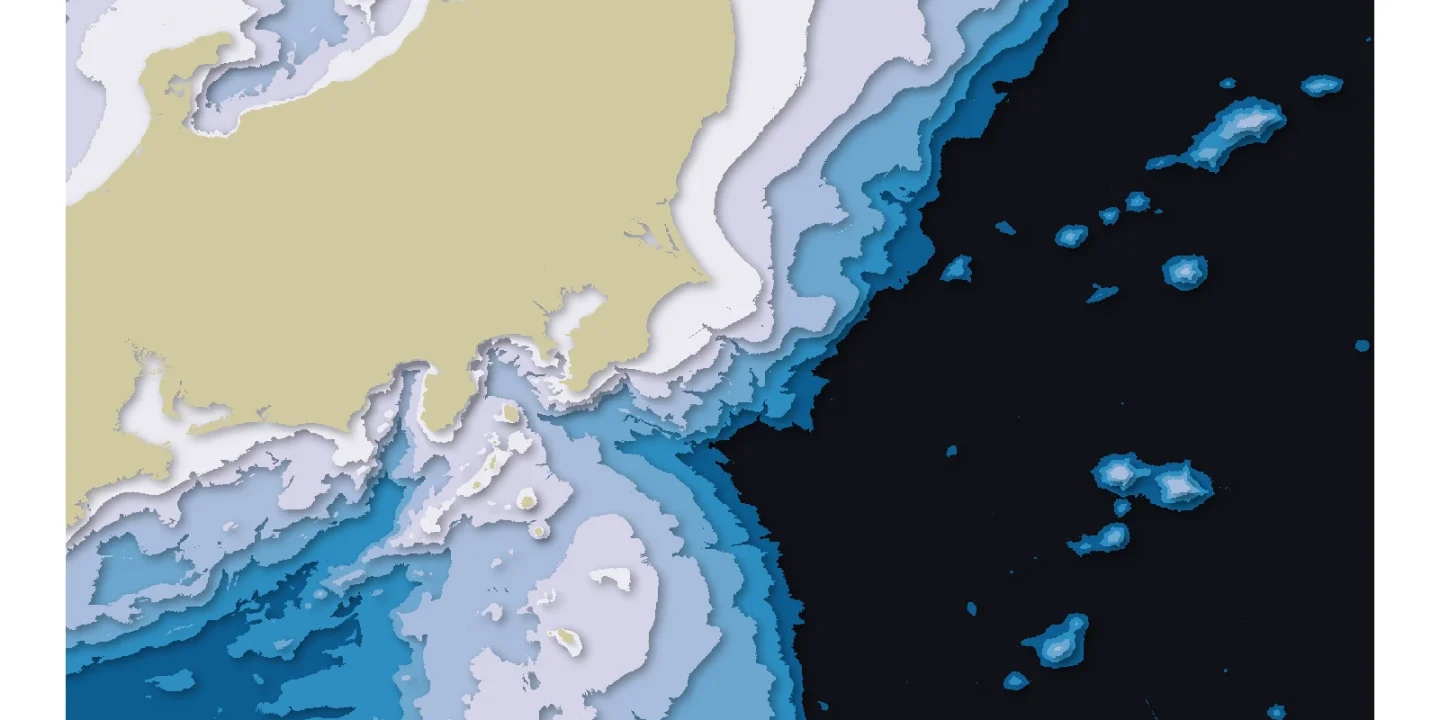
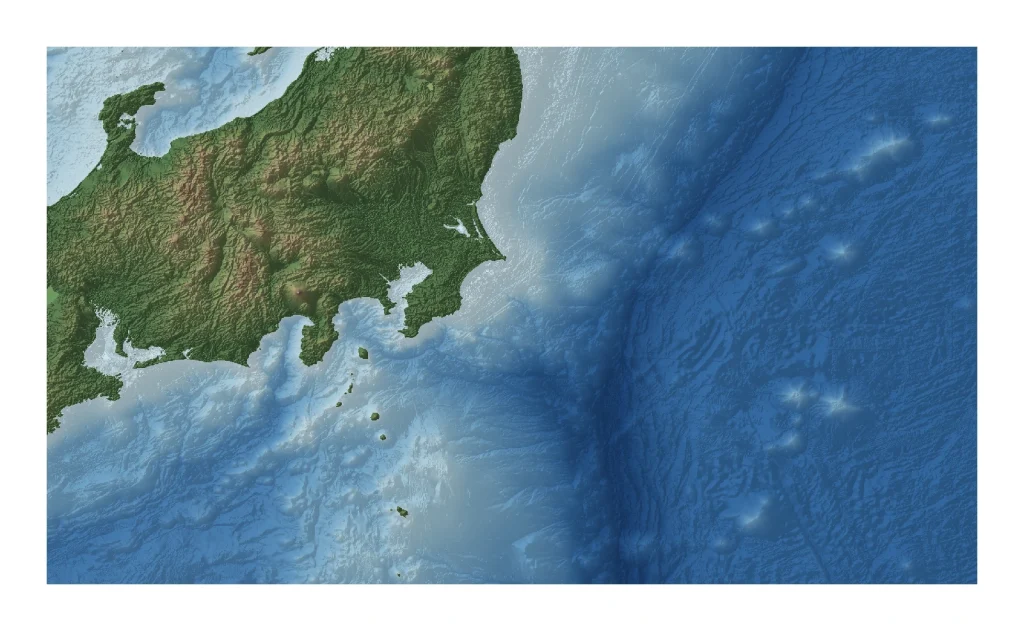
- Do the maps and renders look good?
- Does it include unwanted code, planted by the AI?
- Is it good enough? Missing features or in need of more polish?
Here is summary of the current tests that take place before a release.
Tests done by Claude
About 700 automated tests, covering the engine, GDAL integration, user interface and the CLI. A new error results in a new test, to make sure that each error only occurs once. Claude also has an extensive library of Ographis models of its own and Claude runs them for each release.
Manual tests
Ographis is less that two months old, but development has already included creating quite few models for downloading data, reading files/databases/APIs, integrations, data wrangling, making maps/renders and writing the result to files/databases. Do my existing models work as expected in the new release? So far, the answer is 100% yes. Let´s see if this changes in a few years.
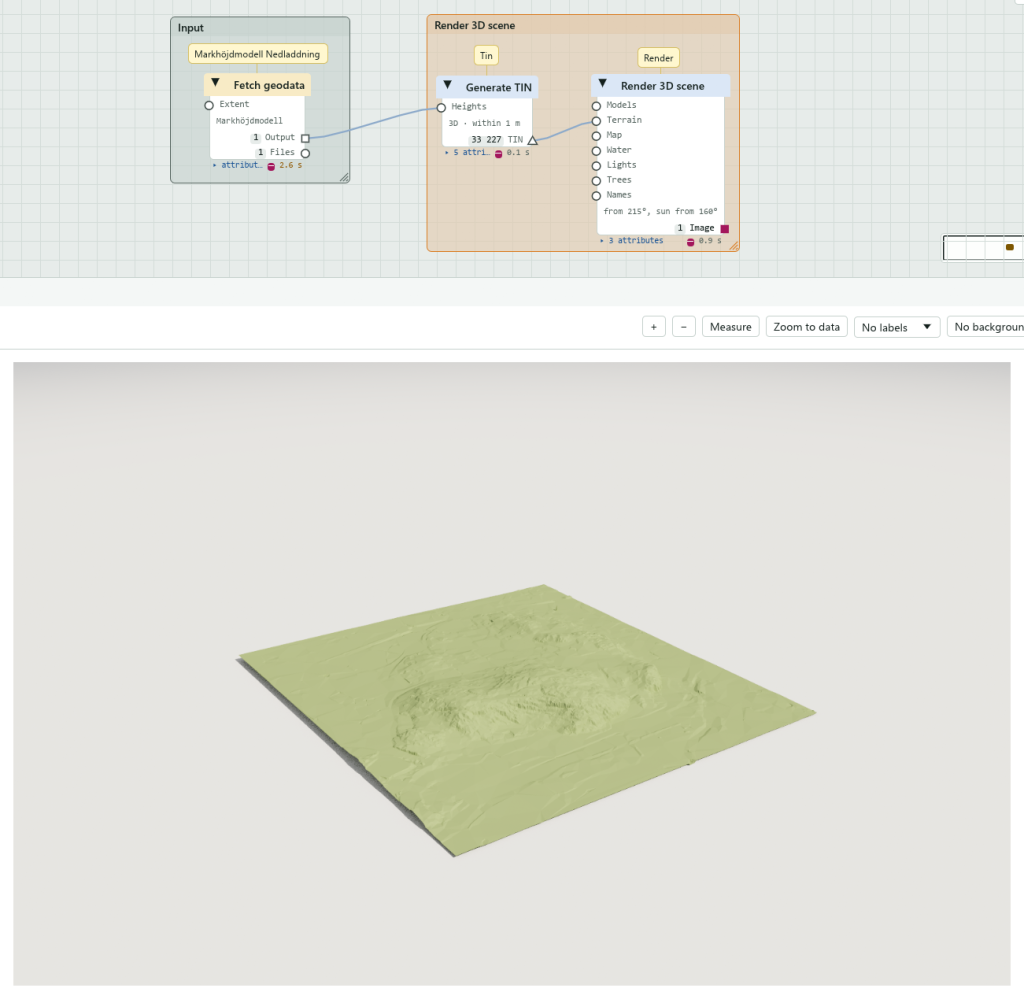
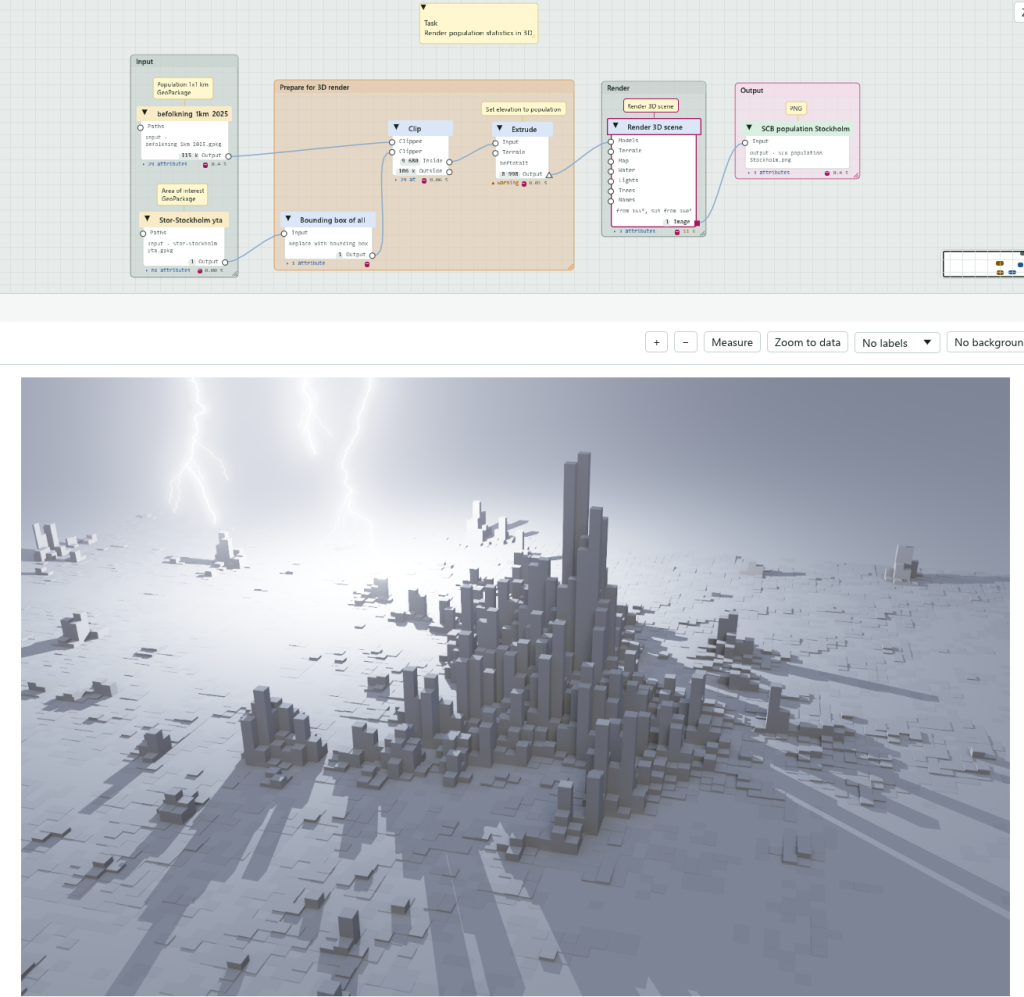
Let Ographis test all of my models
So far, I have created 70+ models and running an increasing number of models manually gets less realistic for each release. So, why not let Ographis run all of the models in my model folder and report warnings and errors? This is done with a simple command:
og run examples --recursive --quiet --no-history --report check.html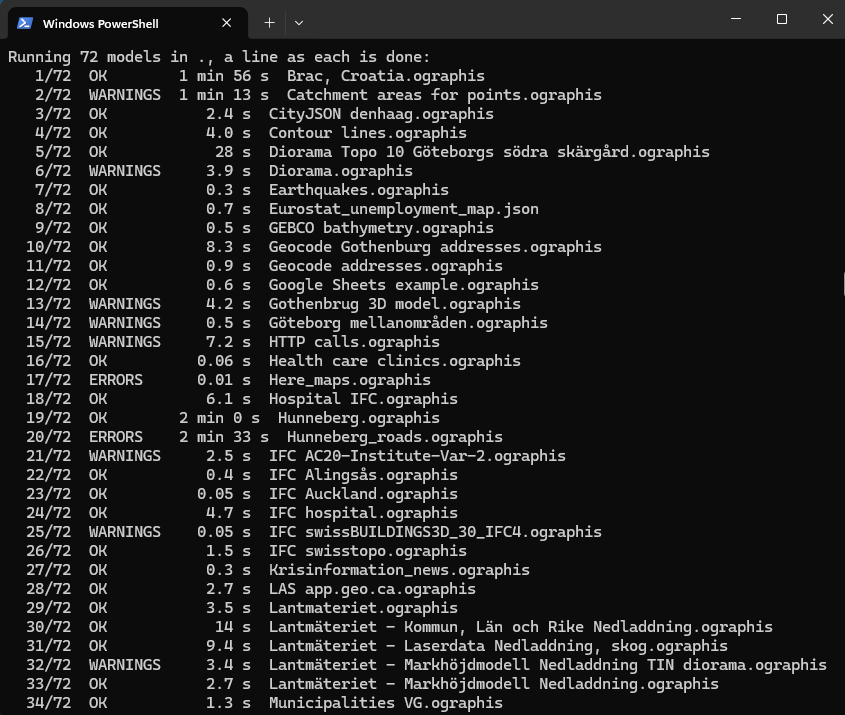
The command also produces a simple HMTL file with a summary of the result.
GitHub tests
Every push to main and every pull request runs a GitHub Actions workflow on Ubuntu. It builds Ographis with GDAL, checks the formatting, and runs clippy with every warning treated as an error. It then runs more than 500 automated tests covering the engine, the GDAL layer and the command line. A second workflow uses cargo-deny to check every dependency against the RustSec database of known vulnerabilities and against our approved licences and sources. Dependabot proposes library updates as pull requests, and each one has to pass the same checks before it can be merged.
Source code and packages published on GitHub
Let’s not forget that the source code and packages are available on GitHub for others to inspect, build and test. Real use cases, real world data sets and new configurations will undoubtedly expose bugs or unpolished parts of Ographis. Bug reports very much appreciated here.
Additional tests
There is always more to test. A few ideas for future additions are:
- Compare current model output with older, validated output
- Compare the result from Ographis models with the output from other tools, such as PostGIS/QGIS, for example area, length, clipping, buffering, reprojecting and other tools.
- Validate the result with official tools, such as OGC and Khronos glTF validator
- Let GitHub build the packages, including additional tests
- Let other AIs validate it
You´ll find Ographis at https://github.com/gishubio/Ographis.